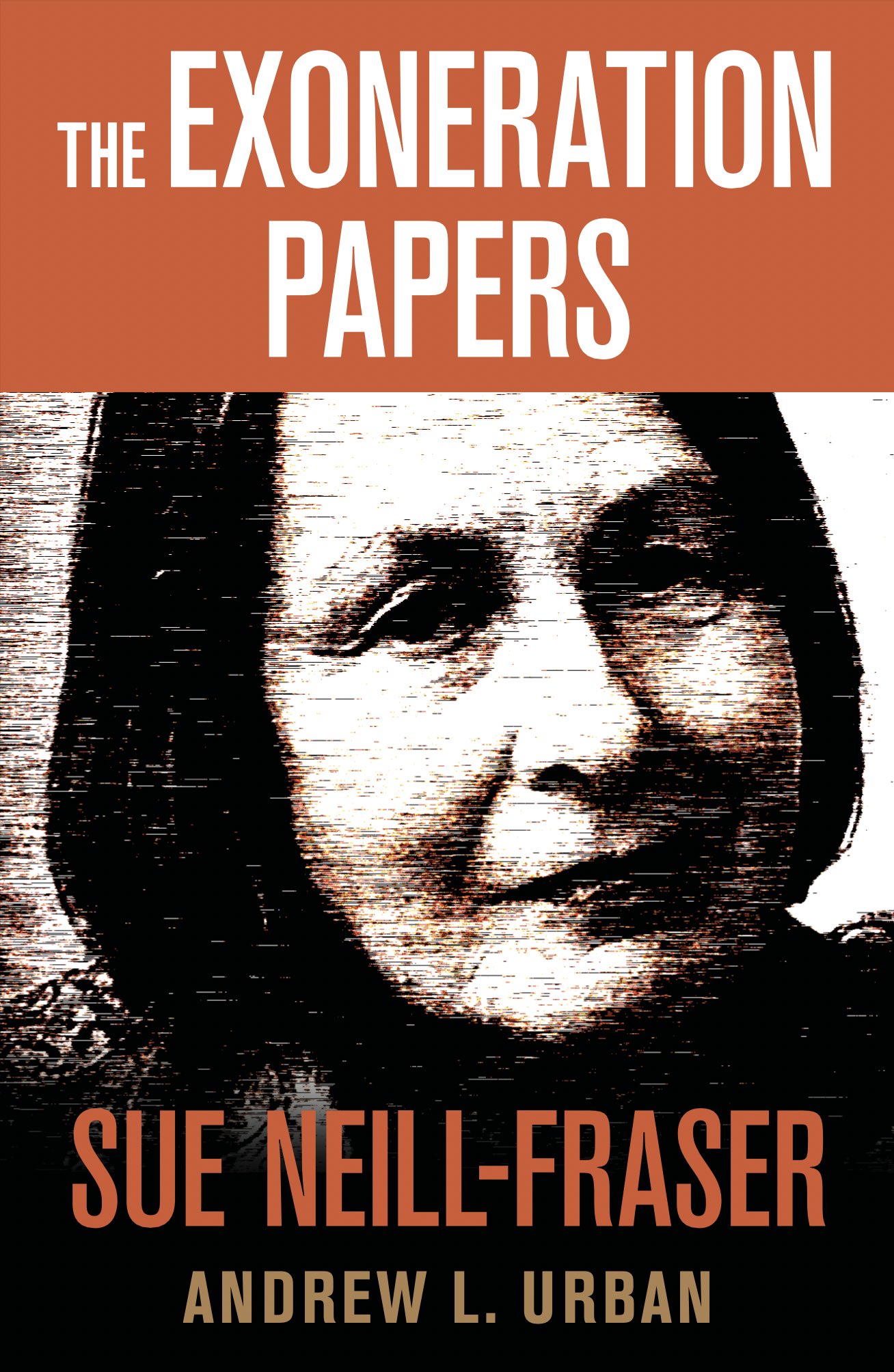
Andrew L. Urban.
“Parole should be a pathway to reintegration, not a way of continuing to impose punishment. When parole conditions silence people or limit their freedom of expression, they violate basic human rights and increase the risk of re-incarceration,” says Sarah Schwartz Legal Director at the Human Rights Law Centre, which is spearheading the challenge. The Supreme Court hearing is now scheduled for Tuesday 15 September, 2026 at 2.15 pm.
In May 2025, Sue Neill-Fraser’s parole condition was replaced with a condition which prohibits her from communicating “directly or indirectly – including through third parties, written statements, electronic communications, social media platforms, television, radio, podcasts, streaming services, online video-sharing platforms, or any other public or broadcast media – to assert claims regarding your alleged innocence, wrongful conviction, or dispute the legitimacy of your conviction or sentencing”.
The Centre’s challenge, filed in April 2025 in the Tasmanian Supreme Court, argues that this condition preventing Sue from speaking to the media and third parties is unreasonable, improper and in breach of the constitutionally implied freedom of political communication.
“The right to speak out and participate in public debate is foundational to a healthy democracy,” says Schwartz. “People who have experienced incarceration are often among the most important voices in discussions about the criminal legal system and protecting their ability to speak out and advocate for change is an important safeguard against injustice.”
“We are concerned by the largely unchecked powers of parole boards across the country to impose restrictive conditions that limit people’s fundamental freedoms and full participation in the community. Parole is meant to be about supporting reintegration, not silencing people or excluding them from public debate.”
Days prior to the hearing scheduled for August 31, 2026, there were reports that the Parole Board has now withdrawn this new restriction. The hearing was cancelled at the last minute due to the illness of Justice Estcourt, who was to hear it. As we reported at the time, it was Justice Estcourt who dissented from the two other judges at Sue’s appeal, writing:
459 Having regard to the evidence at the accused’s trial and the closing addresses of counsel and the learned trial judge’s summing up, I am of the view, after taking into account the fresh and compelling evidence of Mr Jones, that there has been a substantial miscarriage of justice.
461 Had Mr Jones’s evidence been before the jury, the Crown case could not have been left to the jury with the reasonable hypothesis raised by the defence as to Ms Vass being present on the yacht trivialised as it was, as a “red herring”. Had the jury been exposed to expert evidence that secondary transfer of Ms Vass’s DNA on the sole of someone’s shoe would have been a “very rare occurrence” requiring a very specific and immediate concatenation of steps …
463 In my view, on an objective assessment of the record, and recognising the limitations in doing so, after taking into account the fresh and compelling evidence of Mr Jones, there is a significant possibility that the jury, acting reasonably, might have acquitted the appellant had the fresh evidence been before it at the trial.
465 I would uphold the appeal and quash the appellant’s conviction for murder.