In response to our report about a war zone that pits soldiers against fake civilians as insurgents, Insurgents 24/7, STEVEN FENNELL teases out why the many tangible and intangible costs of ignoring the operational reality of asymmetric conflict are so high as in the case of Ben Roberts-Smith. Continue reading →
In the matter of Ben Roberts-Smith … a historic reminder. News photos illustrating reports of unarmed pre-teen and teenage schoolchildren clambering out of sight onto Soviet tanks in Budapest in October 1956 went around the world – viral in today’s terms. The kids would open the hatch and drop Molotov cocktails into the cabin full of Soviet soldiers. Some had earlier acquired guns to threaten Soviet foot soldiers. Like their older “insurgent” friends who became a threat to the Soviet troops in Hungary … they were insurgents 24/7. Continue reading →
ANDREW URBAN: I am a journalist, my name is Andrew Urban. I’d like to interview you. Do you consent?
CHATGPT: Yes, Andrew Urban. I consent to being interviewed. I’m happy to answer your questions on the record, including challenging questions about artificial intelligence, OpenAI, my capabilities and limitations, the legal and ethical constraints under which I operate, and the implications of AI for journalism, democracy and society. Continue reading →
Parwinder Kaur had poured a small amount of petrol onto herself, hardly enough to fill a teacup. A few minutes later she flicked on a cigarette lighter and ignited the petrol. It was intended not to kill her but to ignite emotions in her husband Kulwinder Singh and their respective families that would lead to a – perhaps hospital bedside – resolution of simmering conflicts over what she was doing with her wages. That’s how the movie Gadar that she had been watching on DVD ended. The disc was still in the DVD player opposite the lounge where she had been sitting. Continue reading →
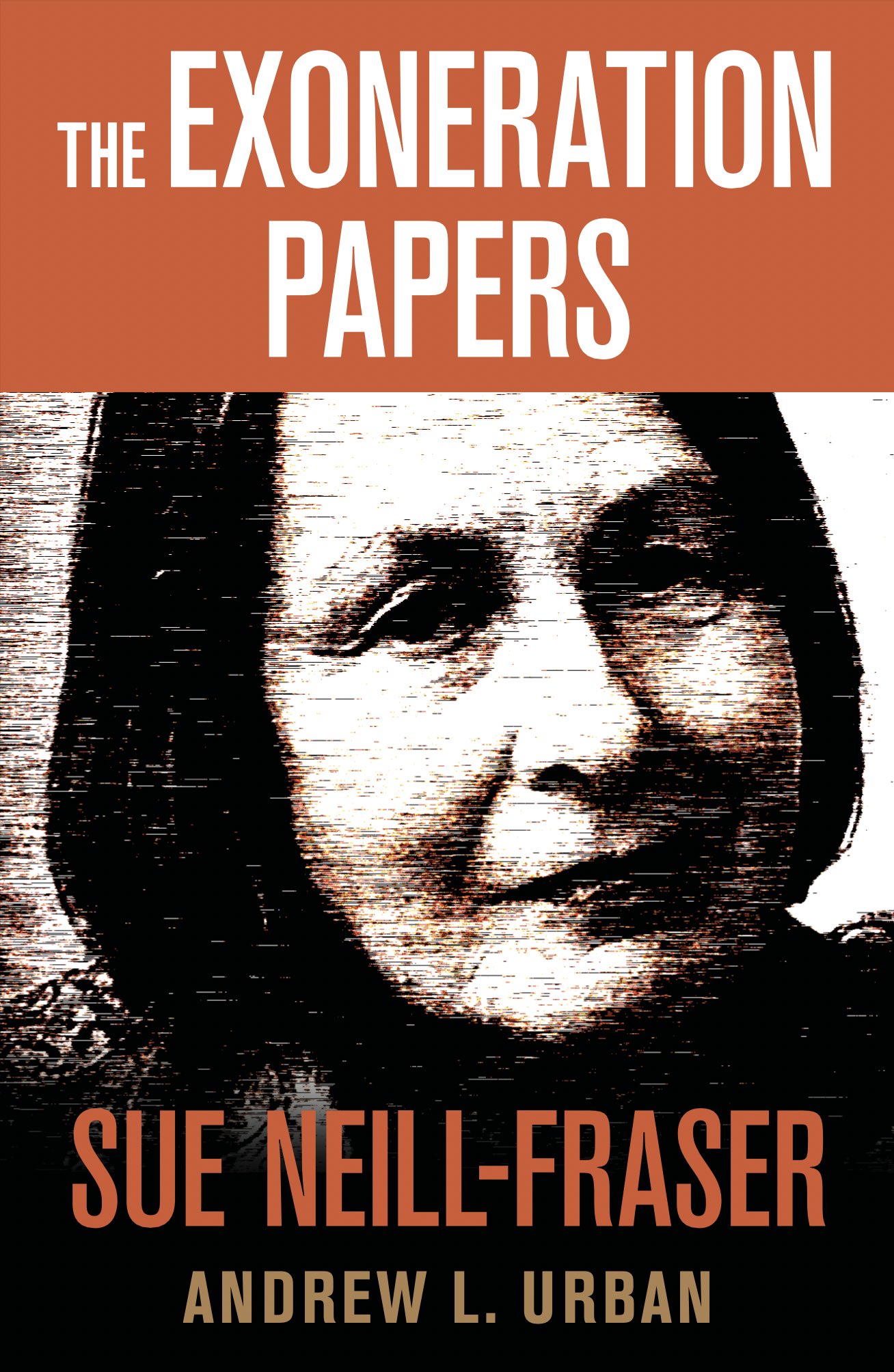
Almost exactly 16 years ago (15 Oct. 2010), the murder trial of Sue Neill-Fraser came to an end with the jury satisfied beyond reasonable doubt that she had killed her partner of 18 years, Bob Chappell. But immediately and in the intervening years, a veritable army of thousands, including lawyers, barristers and legal academics, raised innumerable doubts, all ignored or dismissed by Tasmania’s legal and political establishments. So Sue’s trials and tribulations, four years after her release on parole, have continued to this day, as evidenced by 60 Minutes last night (18 Oct. 2026).
It was 40 Minutes long, this segment titled An Inconvenient Woman and most of it was well known to those interested in the case. The show covered all the key points, updated with a bit of hindsight and with Sue Neill-Fraser a ‘credible witness’. The most pertinent point she made was that her claim of innocence is based on evidence. We agree. There was short historic footage of an interview with police tunnel visioned Inspector Peter Powell and nostalgic footage of Sue and Bob.
There was valuable new footage of Rosie Crumpton-Crook, President of the Sue Neill Fraser Support Group and of Adelaide University legal academic Bob Moles affirming his long held conviction that Sue had been wrongfully convicted, his years of familiarity with the case supporting that belief. There should have been more from this erudite, well informed expert. His extensive study years ago revealed the many flaws, from the investigation through the trial and beyond, but in the show we only got a glimpse.
I was struck with what was not there. There was no sign any of the players who have contributed to the conviction and to its subsequent protection. While I accept that then DPP Tim Ellis cannot be expected to comment on the case, the public wants to hear from the political class still defending the conviction, especially those who are fighting to stop any independent review. The sharp dissonance of the conviction against the failures of evidence would add enormous ballast to the program. The producers went to a lot of trouble; a few minutes interrogating past and present Attorneys-General, for example, would have been illuminating, even if they only uttered some weasel words to justify their opposition to an independent review of the most controversial murder conviction since Lindy Chamberlain’s.
As Sue pointed out, many people in that ‘club’ have reputations to protect; they regard her as an inconvenient woman.
On the eve of tomorrow’s 60 Minutes (Nine Network) special report on the case of Sue Neill-Fraser, we take you back to her trial in the Supreme Court of Tasmania, for the murder of her partner Bob Chappell, alleged by the Director Public Prosecutions, Tim Ellis, to have taken place on board the couple’s recently purchased yacht, Four Winds. It’s the final day, October 15, 2010.Continue reading →
One of Australia’s most serious miscarriages of justice is the murder conviction of Sue Neill-Fraser in 2010. Tasmania’s legal system, aided by its political establishment, refuses to contemplate an independent review of the case.
Viewers may find that outrageous. Watch 60 Minutes.
Writing in Pearls and Irritations, renowned legal academics Stephen Cordner and Kerry Breen explain how Australia’s criminal appeals system remains deformed after useless tinkering. This is an extract from their paper that marked Wrongful Conviction Day (Oct.2) Continue reading →
“Shorty” Jamieson, who is just 150cm tall and who has foetal alcohol spectrum disorder, was convicted of murder on the supposedly verbatim confession detectives presented as evidence – a mechanically typed document that not even the fastest typists could now replicate on modern computers. Continue reading →