Australia has a troubling history of contested medical and forensic evidence contributing to contested or overturned convictions, writes STEVEN FENNELL in response to our story Can the law handle the scientific truth? No, says Lucy Letby case.
Australia could adopt a proportionate, Daubert-influenced reliability framework for high-stakes scientific evidence, particularly in medical, pathological, DNA-TPPR, statistical and forensic interpretation cases. Judges would provide written reasons addressing methodology, error rates, peer-review support, known limitations, competing interpretations and the extent to which conclusions genuinely follow from the underlying data.³
Enhanced Disclosure and “Show Your Working” Obligations
Experts should be required to disclose full methodologies, underlying data, laboratory notes, and statistical assumptions, known error rates, alternative explanations considered and recognised controversies within their discipline. This would build upon principles recognised in cases such as Dasreef Pty Ltd v Hawchar and Honeysett v The Queen, both of which emphasised the need for demonstrable reasoning rather than unsupported expertise.³
I have listed some high profile cases, there are many more that could easily been added but these are ones that stand out.
Lindy Chamberlain (1980s): Convicted of murdering her baby Azaria based heavily on flawed forensic evidence (including alleged bloodstains and purported dingo bite mark interpretations later discredited). A Royal Commission ultimately exposed significant scientific weaknesses and investigative errors.⁴
Henry Keogh (1995–2014): Convicted of murdering his fiancée. The forensic pathology evidence of Dr Colin Manock was later found to be materially misleading, contributing to the quashing of the conviction after almost two decades in prison.⁵
David Eastman: Convicted largely on gunshot residue evidence later criticised and substantially undermined. Following a judicial inquiry into the reliability of the forensic evidence and broader procedural issues, Eastman was acquitted on retrial in 2018.⁶
Farah Jama (2006): Convicted of rape based on contaminated DNA evidence. The case became one of Australia’s clearest demonstrations of how forensic contamination and institutional overreliance on DNA profiling can produce catastrophic miscarriages of justice.⁷
Sue Neill-Fraser (convicted in 2010 for the murder of partner Bob Chappell): A particularly relevant example involving heavy reliance on circumstantial evidence and contested forensic interpretation. No body was found, no murder weapon recovered, and no direct eyewitness evidence linked Neill-Fraser to a homicide.⁷
The prosecution relied in part on Luminol testing conducted on the yacht dinghy. While Luminol produced positive presumptive reactions, confirmatory testing for human blood was negative or inconclusive. Critics later argued that the evidentiary presentation risked overstating the probative value of the Luminol reactions despite the absence of confirmatory biological findings.¹⁰ (Ed: Not to mention that the Luminol testing in the dinghy was prompted by unsupported speculation by the prosecutor.)
A central area of continuing controversy concerns DNA from teenager Meaghan Vass located on the yacht deck. The prosecution suggested possible secondary transfer explanations, including transfer via police or indirect contact. However, later expert review including evidence from forensic scientist Maxwell Jones, analysis associated with Paul Holloway and subsequent forensic commentary informed by evolving DNA-TPPR research (Transfer, Persistence, Prevalence and Recovery) , indicated the DNA profile was more consistent with a primary deposit occurring around the time of the disappearance rather than innocent historical transfer.⁸
Subsequent RTI disclosures, parliamentary materials and independent reports released in 2025 further intensified criticism regarding aspects of the investigation and forensic interpretation.⁹ ¹⁰ Neill-Fraser was released on parole in 2022 but continues to maintain her innocence while calls persist for a full independent inquiry into the conviction and surrounding forensic issues.⁹
These cases demonstrate recurring systemic themes: overconfident expert testimony, failure to adequately communicate scientific limitations, institutional resistance to alternative explanations and weak procedural safeguards for testing contested science before it reaches a jury.¹¹
Reasonable, Evidence-Based Solutions Australia Has Largely Ignored
Lucy Letby
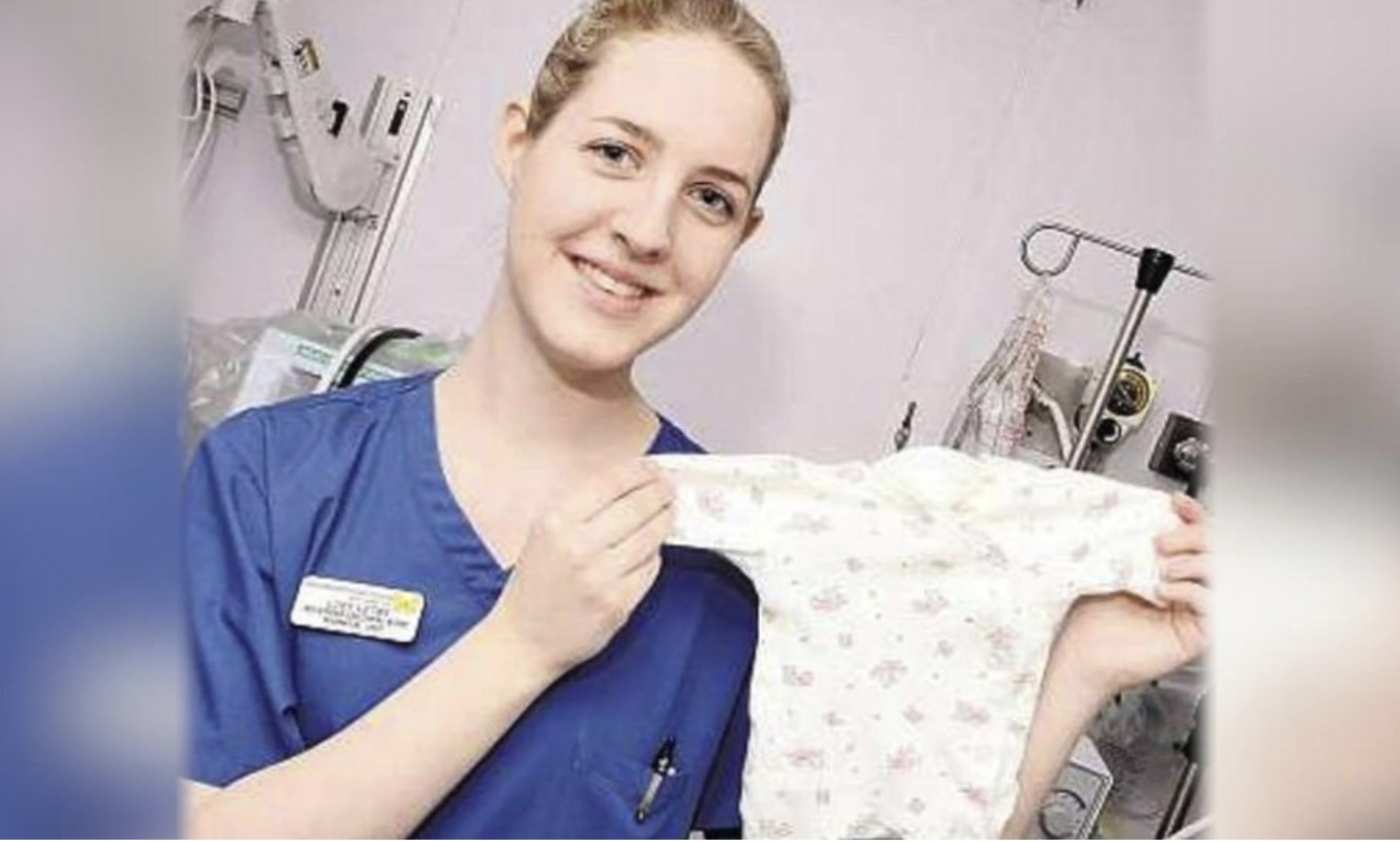
The recent Letby-related scholarship calls for greater epistemic literacy, structured judicial reasoning, pre-trial reliability assessment, and stronger expert accreditation frameworks.¹ ² Australia could go further through practical reforms grounded in comparative legal experience and modern forensic science.
Independent Scientific Advisory Panels
For scientifically complex prosecutions, including neonatal medicine, pathology and advanced DNA interpretation, standing independent scientific panels could provide early neutral assessments. Such panels could identify systemic factors, methodological weaknesses or evolving scientific debates before contested evidence reaches a jury.
Judicial Scientific Literacy Training and Specialist Lists
Mandatory continuing judicial education in probability, statistics, cognitive bias and forensic interpretation would improve judicial gatekeeping. Specialist scientific evidence lists or designated judicial panels could also improve consistency in the management of technically complex criminal matters.
Joint or Court-Appointed Experts
Greater use of joint experts or genuinely independent court-appointed experts may reduce adversarial distortion and minimise the risk of “partisan science”. Australian law reform bodies have previously identified such approaches as capable of improving objectivity and reducing juror confusion in technically contested cases.¹²
The Path Ahead
The emerging Letby developments, together with Australian cases such as Chamberlain, Keogh, Eastman, Jama and Neill-Fraser, demonstrate that legal finality must sometimes yield to scientific reliability when credible new evidence or improved forensic understanding emerges.¹ ²
A justice system that substitutes institutional confidence or expert authority for transparent scientific reasoning risks undermining public confidence in the legitimacy of criminal verdicts. Scientific evidence is not infallible merely because it is presented by qualified professionals. History repeatedly shows that forensic disciplines evolve, assumptions fail, and certainty can later prove unjustified.¹¹
Australia has an opportunity to lead by implementing structural safeguards that prioritise reliability, transparency and methodological accountability. The most vulnerable members of society deserve investigations grounded in sound science, while the broader community deserves confidence that criminal convictions rest upon demonstrably reliable evidence rather than overstated expertise or unresolved scientific controversy.
The tension between justice and scientific uncertainty is difficult — but it is not unfixable, provided institutions are willing to confront it honestly.
Footnotes / References
¹ A. Alghrani & T. Bennett, Northern Ireland Legal Quarterly (2026), discussing epistemic literacy, expert evidence reliability, and structural safeguards in complex criminal prosecutions arising from the Lucy Letby case.
² Findings and commentary associated with Dr Shoo Lee and the international neonatal expert review panel concerning neonatal collapse interpretation and alternative medical explanations in the Letby matter.
³ Dasreef Pty Ltd v Hawchar (2011) 243 CLR 588; Honeysett v The Queen (2014) 253 CLR 122. These High Court authorities emphasise that expert opinion must be based on identifiable specialised knowledge and transparent reasoning rather than assertion alone.
⁴ Royal Commission of Inquiry into Chamberlain Convictions (1987). The Commission identified serious flaws in the forensic interpretation relied upon during Lindy Chamberlain’s prosecution, including mistaken blood evidence and unsupported assumptions regarding dingo behaviour.
⁵ Keogh v The Queen and associated South Australian appellate proceedings concerning the forensic pathology evidence of Dr Colin Manock, whose conclusions were later heavily criticised as scientifically unreliable and misleading.
⁶ Judicial inquiry and retrial proceedings concerning David Eastman, culminating in acquittal in 2018 following substantial criticism of gunshot residue interpretation and related forensic evidence.
⁷ Cases involving Farah Jama and Sue Neill-Fraser highlighting contamination risks, circumstantial reasoning concerns and disputed DNA interpretation evidence.
⁸ Expert evidence and commentary from Maxwell Jones, Paul Holloway and related forensic material addressing Meaghan Vass DNA interpretation, including developments in DNA-TPPR (Transfer, Persistence, Prevalence and Recovery) analysis between 2020–2025.
⁹ Parliamentary materials, RTI disclosures, and independent wrongful conviction reporting published in 2025 concerning the Neill-Fraser investigation and forensic controversies.
¹⁰ Critiques concerning Luminol testing, dinghy evidence interpretation and confirmatory blood testing issues arising in the Neill-Fraser matter, including materials disclosed through RTI processes and subsequent independent forensic review.
¹¹ Research and publications by Gary Edmond concerning expert evidence reliability, forensic science limitations, cognitive bias and institutional weaknesses in criminal justice systems.
¹² Recommendations of the NSW Law Reform Commission concerning joint experts, court-appointed experts and reforms directed toward improving scientific objectivity and reducing adversarial distortion in litigation.
Both comments are correct. The current system lets the rubbish pass by the jury FIRST then it is challenged in court or later at appeal stage, this is an arse backwards way of applying science; or what is often mock science.
Andrew: Simple minded maybe- but surely the Chamberlain scurrilous police prosecutors screenplay would totally collapse when competent testing would have shown that there was absolutely NO baby blood residues whatsoever in the pride and joy Holden. Wasn’t the Chamberlains jury presented with a load of typical police codswollop worse than even most of the Manock garbage ? Simple minded i know – But- in my screenplay- the jury foreman would jump to his feet screaming “your lying your effing guts out aren’t you- you bloody dingoe” ! The judge and his police prosecutor mate (the team) would then be sent to their little room.The jury would then quarrel about the public floggings for the pair of mongrels ! The Hobart town SNF screenplay was a virtual carbon copy of this Manockism. There was NO evidence of blood in the dinghy . Its called criminal fraud…taken from to court room and flogged on the stocks ! Port Arthur?
Yes. Like I have taken to saying, the legal system is a structure of malpractice, incompetence and lies.