Andrew L. Urban
Yesterday, we published a letter from former Tasmanian DPP Tim Ellis SC in which he accused former barrister Hugh Selby of a failure of integrity in Selby’s article. Today, Selby replies, to emphasise how the jury was misled by disclosure failures.
“My response to Mr Ellis’s attack upon me and my views (in my article) is that his letter is to be welcomed. I look forward to his appearing before a Royal Commission where his letter to you will provide opportunities for a telling cross-examination of him. By the way, Ms Etter and I interviewed Mr Lorraine whose memory then was sharp and clear,” says Hugh Selby.
Selby also posted a comment on the article, which states, in part: “…readers need to understand the following:
1. The reason for calling the decent Mr Lorraine was to establish that the Four Winds dinghy, a blue and white quick silver with an outboard, was at the yacht because that placed Ms Neill Fraser there.
2. The statement that Mr Lorraine signed did that.
3. His earlier phone chat showed beyond doubt that he was looking at a different yacht and a different dinghy/tender.
4. The differences between the phone notes and the signed statement are not trivial. They are discussed in detail in the 2021 Etter/Selby papers tabled in the Legislative Council.
5. There was an inexcusable time gap between the ODPP team being given those phone chat notes and any disclosure to the defence. The result was that the jury was misled.
6. Those phone chat notes should have been disclosed before trial by the police to both sides.
7. Mr Ellis, who interviewed Mr Lorraine before the trial, failed to pick up the falsity in the signed statement.
8. If the phone chat notes had been disclosed at the right time, or Mr Ellis/his team had properly proofed Mr Lorraine about his recollection, then Mr Ellis would not have called Mr Lorraine and the jury would not have been misled.”
Lara Giddings (Ellis called her “gullible”), says “I would encourage Mr. Ellis and the Tasmanian Government to support an inquiry that allows all aspects to be examined fairly, without the restrictions of court rules and procedures that prevent issues from being discussed if they were or could have been raised at trial. None of us should sleep easy if a miscarriage of justice has occurred in this case. Why stand in the way of supporting a forum which would put this case to bed for all involved.”
My own response to Ellis is the entirety of my book, The Exoneration Papers – Sue Neill-Fraser. Among those putting the case for a wrongful conviction in the book is Tony Jacobs, former Principal Crown Counsel and a Crown Law Officer in Tasmania for over 30 years, who lists errors that he claims show her (now deceased) defence counsel’s “flagrant incompetence”. Flinders University legal academic Dr Bob Moles, who has followed the case for over a decade, argues that the trial failed many legal rules. The 2:1 majority decision refusing the 2021 appeal was contradicted by dissenting judge Estcourt J who would quash the conviction.
There is still hot anger about this case as comments on yesterday’s story clearly show. And no wonder. The case against Sue Neill-Fraser was entirely speculative, physically absurd on its face – and not supported by any evidence whatsoever:
She killed Bob Chappell below deck (perhaps with a wrench) and winched him up. Alone. ABSURD
She then manoeuvred his body into the dinghy alongside. Alone. Try it. ABSURD
That was Ellis at work.
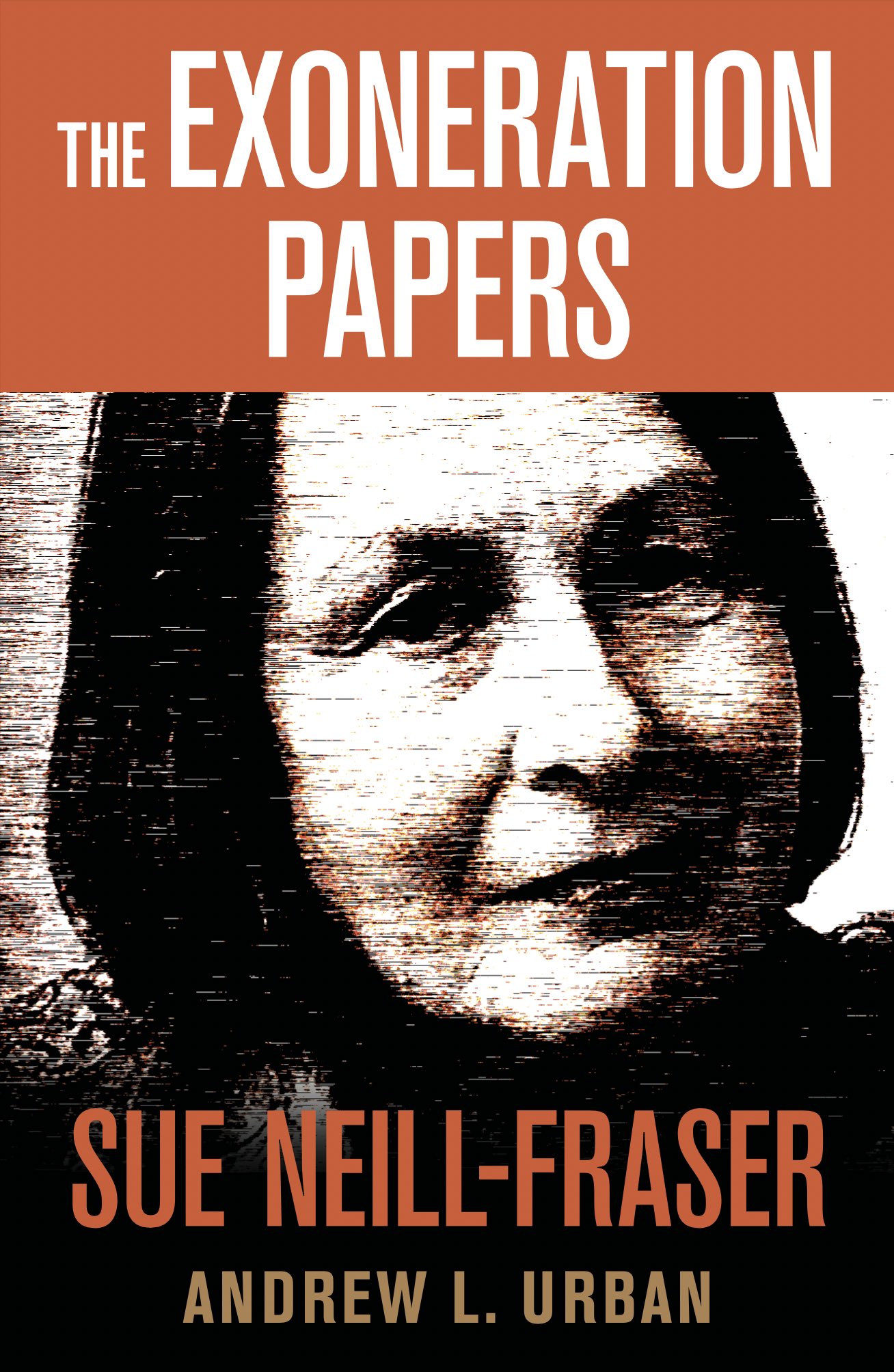
“As a result of meticulous research Urban argues calmly, logically and forcefully that the conviction of Sue Neill-Fraser has been the result of a police investigation that missed vital information and ignored possible suspects.” – Bruce Beresford, Australian film director of Best Picture Oscar winner, Driving Miss Daisy, Breaker Morant, Black Robe, Paradise Road, Mao’s Last Dancer, Ladies in Black and others.
Tracking the case for a decade, Urban presents facts and findings that prove this is a wrongful conviction. And shows how ‘the system’ seeks to protect it. The Tasmanian Integrity Commission, the Legal Profession Board, the Tasmanian Law Society and the Bar Association have all failed to demand the proper administration of justice and the chance to correct this awful miscarriage of justice.
By the time Sue Neill-Fraser was convicted of murdering her partner Bob Chappell, the court had seen no murder weapon, heard from no witnesses to the murder, heard no evidence that puts Sue Neill-Fraser at the crime scene.
A contemptible conviction.